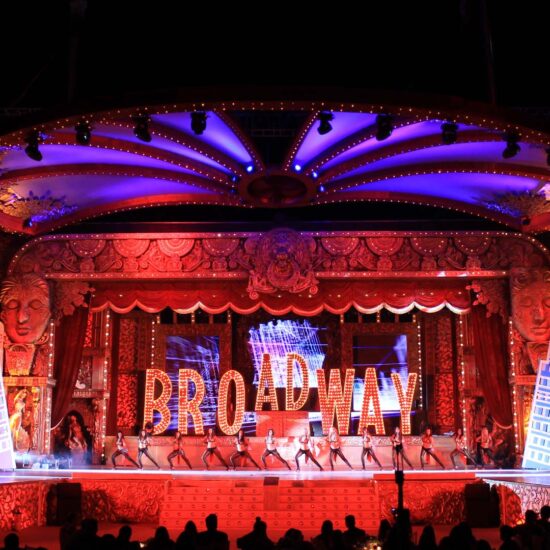



We assist with all the planning, facilitation, negotiation, and handling of various aspects of wedding planning to ensure the best services at the most competitive price. The end-to-end solutions come to you with the E-Factor guarantee, backed by our strong in-house production set up and long-established vendor relations in the industry.
E-Factor through its now significant experience and a highly evolved proprietary wedding management system, offers its esteemed clients with a total hassle-free wedding experience.
The Historical Context of UK Betting Practices Explored by Betzella
The United Kingdom has cultivated one of the world’s most sophisticated and regulated betting industries, with roots stretching back centuries. Understanding this historical evolution provides essential context for comprehending today’s modern gambling landscape. Betzella, as an observer of betting markets, recognizes that the UK’s approach to wagering has been shaped by social attitudes, legislative reforms, and technological innovations that have fundamentally transformed how people engage with betting activities. From medieval dice games to digital platforms, the journey of British betting practices reveals a complex interplay between public entertainment, moral concerns, and economic interests.
Early Foundations and Medieval Betting Culture
Betting in Britain can be traced to medieval times when wagering on games of chance and sporting contests became embedded in social life. Horse racing emerged as a particularly popular betting vehicle during the reign of Henry VIII, who established royal studs and encouraged racing as a pastime for the aristocracy. By the 17th century, organized horse racing at venues like Newmarket had become sufficiently established to warrant formal rules and regulations.
The Coffee House culture of the 1700s provided fertile ground for betting expansion. These establishments served as informal betting exchanges where gentlemen would wager on everything from political outcomes to personal challenges. This period saw the emergence of bookmakers who would “make a book” on various events, calculating odds and accepting bets from multiple parties. The practice became so prevalent that it necessitated the first legislative attempts to regulate gambling activities.
The Gaming Act of 1845 represented a watershed moment in British betting history. This legislation attempted to curtail what authorities perceived as excessive gambling by making gambling debts unenforceable in court. However, rather than eliminating betting, it simply pushed much of the activity underground or into less regulated spaces. The Act revealed a fundamental tension in British society between the desire to control gambling and the recognition that betting was deeply ingrained in popular culture.
The Twentieth Century Transformation
The early 20th century witnessed betting becoming increasingly democratized, moving beyond aristocratic circles to encompass working-class participation. Street bookmakers operated in a legal grey area, taking bets on horse races despite official prohibitions. The Betting and Gaming Act of 1960 marked a pivotal shift by legalizing betting shops, acknowledging that prohibition had proven ineffective and that regulated, taxed betting establishments could serve the public interest more effectively than illegal operations.
The introduction of licensed betting shops in 1961 transformed the betting landscape dramatically. Within a few years, thousands of shops opened across Britain, providing legal venues for placing wagers on horse racing, greyhound racing, and other sporting events. These establishments became fixtures of British high streets, though early regulations required them to maintain austere appearances to discourage excessive gambling. Windows were painted over, and no refreshments were permitted, reflecting ongoing ambivalence about gambling’s social role.
The National Lottery’s launch in 1994 represented another significant milestone, normalizing gambling participation across demographic groups. This state-sanctioned form of betting attracted millions of participants who might never have entered a betting shop, fundamentally altering public perceptions about the acceptability of gambling. The lottery’s success demonstrated that properly regulated gambling could generate substantial revenue for public causes while managing social risks. Those interested in exploring modern betting options can research the best uk betting sites that have emerged from this regulatory framework, which emphasizes consumer protection and responsible gambling practices.
Digital Revolution and Contemporary Regulation
The advent of internet betting in the late 1990s precipitated the most dramatic transformation in British betting history. The Gambling Act of 2005 created a comprehensive regulatory framework designed to address the challenges posed by online gambling while maintaining the UK’s position as a global betting hub. This legislation established the Gambling Commission with broad powers to license operators, enforce standards, and protect consumers.
The 2005 Act introduced three licensing objectives that continue to guide UK betting regulation: preventing gambling from being a source of crime or disorder, ensuring gambling is conducted fairly and openly, and protecting children and vulnerable persons from gambling-related harm. These principles have shaped the development of what many consider the world’s most robust gambling regulatory system. Operators must demonstrate compliance with strict requirements regarding advertising, responsible gambling tools, and financial safeguards.
Remote gambling licensing, introduced in 2007, required all operators serving UK customers to obtain British licenses regardless of where they were based. This “point of consumption” approach ensured that online betting companies adhered to UK standards and contributed tax revenue. The framework has been continuously refined, with recent years seeing increased focus on affordability checks, stake limits for certain products, and restrictions on advertising during sporting events.
Betzella observes that contemporary UK betting practices reflect centuries of evolution, balancing personal freedom with social protection. The current regulatory environment emphasizes transparency, with operators required to provide detailed information about odds, terms, and responsible gambling resources. Technology has enabled sophisticated player protection measures, including deposit limits, self-exclusion programs, and reality checks that interrupt extended gambling sessions.
Social Attitudes and Cultural Significance
Throughout British history, betting has occupied a unique cultural space, simultaneously celebrated and scrutinized. Sporting events, particularly horse racing’s major fixtures like the Grand National and Royal Ascot, have traditionally been occasions when even casual betting is socially acceptable. This cultural acceptance has coexisted with concerns about problem gambling, creating ongoing debates about appropriate regulation levels.
The relationship between sports and betting has deepened considerably, with sponsorship deals and media partnerships making gambling brands highly visible. Football clubs, racing events, and other sports have benefited from substantial betting industry investment, though this relationship has attracted criticism from those concerned about gambling normalization. Recent regulatory changes have restricted certain forms of gambling advertising, reflecting evolving social attitudes and concerns about vulnerable populations.
Research into gambling behavior has become increasingly sophisticated, informing evidence-based policy development. Studies examining gambling prevalence, problem gambling rates, and the effectiveness of various interventions have helped shape regulatory approaches. The UK Gambling Commission regularly publishes data on participation rates, demonstrating that while gambling remains popular, problem gambling affects a relatively small percentage of the population, though this still represents hundreds of thousands of individuals requiring support.
Betzella notes that historical context illuminates current challenges facing the betting industry. Issues such as balancing commercial interests with consumer protection, managing technological innovation’s pace, and addressing problem gambling have precedents throughout British betting history. The ongoing review of gambling legislation demonstrates that regulation must evolve continuously to address emerging risks while preserving individual freedoms and supporting a legitimate industry that provides entertainment and employment.
The historical trajectory of UK betting practices reveals a society continually negotiating the proper place of gambling in public life. From medieval wagers to sophisticated digital platforms, British betting has been shaped by technological capabilities, economic considerations, and moral frameworks. Betzella’s exploration of this history underscores that contemporary betting exists within a rich tradition of regulation, innovation, and cultural significance. As the industry continues evolving with technological advances and changing social attitudes, understanding this historical context remains essential for informed policy-making and responsible participation in betting activities.